VPS Cloud Server
In the modern digital landscape, where websites, applications, and online services are expected to be fast, reliable, and always available, the choice of hosting infrastructure plays a critical role. Among the many hosting solutions available today, the VPS Cloud Server stands out as a powerful, flexible, and cost-effective option for individuals and businesses alike. It bridges the gap between shared hosting and dedicated servers, while leveraging the scalability and resilience of cloud technology.
This article explores what a VPS cloud server is, how it works, its advantages and limitations, and why it has become a preferred solution for developers, startups, and growing enterprises.
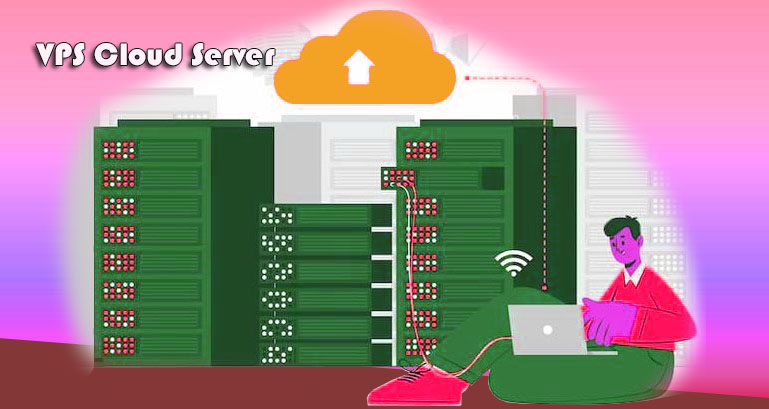
What Is a VPS Cloud Server?
A VPS (Virtual Private Server) Cloud Server is a virtualized server environment hosted on cloud infrastructure. It combines two key technologies:
-
Virtual Private Server (VPS) – A physical server is divided into multiple virtual servers using virtualization technology. Each VPS has its own dedicated resources such as CPU, RAM, storage, and operating system.
-
Cloud Computing – Instead of relying on a single physical machine, the VPS runs on a cluster of interconnected servers (the cloud), ensuring higher availability and scalability.
In simple terms, a VPS cloud server gives users the control and isolation of a VPS, with the flexibility and reliability of the cloud.
How a VPS Cloud Server Works
A VPS cloud server operates through a hypervisor, which is software that creates and manages virtual machines. The hypervisor allocates physical server resources—such as processing power, memory, and disk space—across multiple VPS instances.
Unlike traditional VPS hosting, which depends on one physical server, a cloud-based VPS draws resources from a pool of servers. If one physical node fails, the VPS can be migrated or restarted on another node with minimal downtime. This architecture significantly improves reliability and uptime.
Users typically access their VPS cloud server via SSH or a remote desktop, allowing them to install software, configure settings, and manage applications just as they would on a dedicated server.
Key Features of VPS Cloud Servers
VPS cloud servers offer a wide range of features that make them attractive for various use cases:
1. Dedicated Resources
Each VPS is allocated a specific amount of CPU, RAM, and storage. Unlike shared hosting, your resources are not affected by other users’ activities.
2. Scalability
Resources can be scaled up or down easily. If your website or application experiences traffic growth, you can increase CPU, memory, or storage without migrating to a new server.
3. High Availability
Because the server runs in a cloud environment, hardware failures rarely result in extended downtime. Most providers offer uptime guarantees of 99.9% or higher.
4. Root Access and Customization
Users have full root or administrative access, allowing complete control over the operating system, server configurations, and installed applications.
5. Operating System Flexibility
Most VPS cloud servers support multiple operating systems, including popular Linux distributions (Ubuntu, CentOS, Debian, AlmaLinux) and Windows Server.
Advantages of Using a VPS Cloud Server
Improved Performance
With dedicated resources and no noisy neighbors, VPS cloud servers deliver consistent and predictable performance. This is essential for applications that require stable response times.
Cost-Effectiveness
Compared to dedicated servers, VPS cloud servers are significantly more affordable while still offering many of the same benefits. Users pay only for the resources they need.
Enhanced Security
Isolation between VPS instances improves security. Even if another VPS on the same physical infrastructure is compromised, your server remains protected.
Flexibility for Developers
Developers benefit from the ability to test, deploy, and manage applications in a customizable environment. VPS cloud servers are ideal for staging, development, and production environments.
Global Accessibility
Most cloud providers offer data centers in multiple regions worldwide, allowing users to deploy servers closer to their target audience for lower latency.
Common Use Cases for VPS Cloud Servers
Website Hosting
From high-traffic blogs to corporate websites and e-commerce platforms, VPS cloud servers provide the performance and reliability needed for professional web hosting.
Application Deployment
Web applications, SaaS platforms, and APIs often require scalable infrastructure. VPS cloud servers allow developers to scale resources as user demand grows.
Game Servers
Online multiplayer games require stable connections and low latency. VPS cloud servers are commonly used to host game servers due to their flexibility and control.
Database Hosting
With dedicated resources and customizable security settings, VPS cloud servers are suitable for hosting databases that require consistent performance.
Remote Work and Virtual Desktops
Businesses can use VPS cloud servers to host virtual desktops or remote work environments accessible from anywhere.
VPS Cloud Server vs Shared Hosting
Shared hosting is often the entry-level option for beginners, but it comes with limitations:
-
Resources are shared among many users
-
Performance can fluctuate
-
Limited customization options
In contrast, a VPS cloud server offers dedicated resources, higher performance, and greater control. While it is more expensive than shared hosting, the benefits often outweigh the additional cost for serious projects.
VPS Cloud Server vs Dedicated Server
Dedicated servers provide exclusive access to an entire physical machine, offering maximum performance and control. However, they are expensive and less flexible.
VPS cloud servers offer a middle ground:
-
Lower cost than dedicated servers
-
Easier scalability
-
Faster deployment
-
High availability through cloud infrastructure
For many businesses, a VPS cloud server delivers nearly the same benefits as a dedicated server without the high price tag.
Security Considerations
While VPS cloud servers are more secure than shared hosting, security is still a shared responsibility between the provider and the user. Providers typically handle physical security, network protection, and infrastructure updates. Users are responsible for:
-
Keeping the operating system and software updated
-
Configuring firewalls and security rules
-
Using strong passwords and SSH keys
-
Implementing regular backups
Proper security practices ensure that your VPS cloud server remains protected against threats.
Performance Optimization Tips
To get the most out of a VPS cloud server, consider the following optimization strategies:
-
Use a lightweight operating system
-
Configure caching mechanisms (such as Redis or Memcached)
-
Optimize web servers (Nginx or Apache tuning)
-
Monitor resource usage regularly
-
Use a Content Delivery Network (CDN) for static assets
These optimizations can significantly improve speed and user experience.
Choosing the Right VPS CS Provider
When selecting a VPS cloud server provider, consider these factors:
-
Reliability and uptime guarantees
-
Scalability options
-
Pricing transparency
-
Customer support quality
-
Available data center locations
-
Backup and disaster recovery options
A reliable provider can make a substantial difference in server stability and long-term success.
The Future of VPS Cloud Servers
As cloud technology continues to evolve, VPS cloud servers are becoming more powerful and accessible. Innovations such as containerization, edge computing, and AI-driven resource management are further enhancing performance and efficiency.
In the future, VPS cloud servers are expected to offer even more automation, better cost optimization, and tighter security integrations, making them an even more attractive solution for businesses of all sizes.
Conclusion
A VPS Cloud Server is a versatile hosting solution that combines the control of a virtual private server with the resilience and scalability of cloud infrastructure. It is suitable for a wide range of applications, from website hosting and software development to enterprise-grade systems.
By offering dedicated resources, high availability, and flexible scalability at a reasonable cost, VPS cloud servers have become a cornerstone of modern digital infrastructure. Whether you are launching a new project or scaling an existing one, a VPS cloud server provides a reliable foundation for growth in an increasingly connected world.